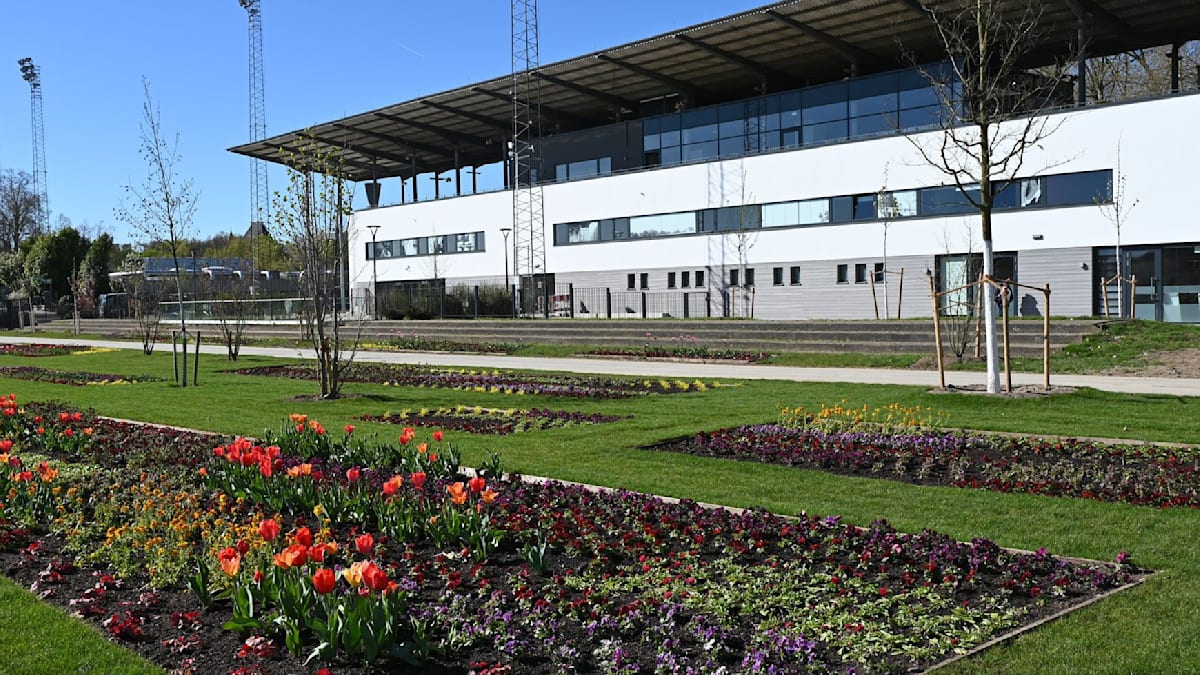
The Greening of Our Cities: Embracing 'Stadtpark Statt Rennbahn'
The urban landscape is constantly evolving, driven by societal needs, technological advancements, and perhaps most critically, the undeniable pressures of climate change. Summers across Europe, particularly in cities like Frankfurt, have become stark reminders of these shifts, marked by intense heatwaves, prolonged droughts, and destructive heavy rainfall events. These challenges demand a fundamental rethinking of how we design, develop, and utilize our precious urban spaces. This is where the concept of "stadtpark statt rennbahn" – a city park instead of a racetrack – emerges not just as a catchy phrase, but as a potent symbol of urban transformation, prioritizing green, resilient, and community-centric environments over single-purpose, often resource-intensive infrastructure.
This isn't merely a theoretical debate; it's a visible trend. Consider the fascinating parallel found in regional event planning: the Krefeld Balloon Festival, held on the Krefeld Racetrack in odd years, is contrasted with the Moers Balloon Festival, slated for the Moers City Park in even years, starting in 2026. This deliberate shift of an event from a traditional racetrack setting to a vibrant city park perfectly encapsulates the broader movement towards integrating green spaces into the fabric of urban life, reflecting a deeper desire for adaptable, multi-functional public realms. To delve further into the origins of this important trend, you might want to explore
stadtpark statt rennbahn - Article 1.
Navigating Urban Challenges: Climate Change and the Need for Resilient Spaces
The summers of 2018, 2019, 2020, and 2022 served as a harsh wake-up call for cities like Frankfurt, demonstrating the immediate and profound impact of climate change. Extreme heat, unprecedented droughts, and sudden, severe downpours put immense strain on urban infrastructure and the well-being of city dwellers. The question facing urban planners and policymakers is clear: How can our cities adapt to these changing conditions? How can we influence the urban climate quickly, effectively, and noticeably?
The answer lies, in part, in the thoughtful redesign and development of our urban squares and open spaces. These areas present a significant opportunity for climate adaptation and mitigation. Given that the vast majority of tomorrow's city is already built, the immediate focus must be on transforming existing inner-city spaces into climate-resilient hubs. Simultaneously, new urban developments must integrate climate adaptation measures from their inception, ensuring that valuable urban free space is utilized optimally. By strategically managing building density, building heights, and the proportion of green areas in new quarters or urban restructuring projects, cities can directly influence air circulation, wind comfort, and the regulation of the microclimate.
Frankfurt's Vision: A Blueprint for Climate-Adapted Urban Spaces
Frankfurt am Main has emerged as a leader in this charge, developing a comprehensive "Guideline for the Climate-Adapted Redesign of Urban Squares" (Leitfaden zur klimaangepassten Umgestaltung von Stadtplätzen). This foundational document, a two-year collaborative effort initiated by the Frankfurt Green Spaces Office, involved the Urban Planning Office, Environmental Office, Office for Road Construction and Development, and Urban Drainage. Approved by the city council in 2023, it now serves as a binding framework for inter-agency cooperation in the years to come.
The guideline is built upon three core objectives:
- Spaces are good for people: Prioritizing human well-being, comfort, and community interaction.
- Spaces are good for the city climate and ecology: Enhancing environmental benefits, such as cooling, air purification, and biodiversity.
- Spaces have tangible added value in the densely built city: Providing multiple functions and benefits that improve the quality of urban life.
This collaborative concept acts as a crucial guide, emphasizing that a truly successful urban space is a "living place where people like to stay and linger." This user-centric approach is fundamental to its success, ensuring that transformations are not just ecologically sound but also socially impactful.
Implementing Climate-Resilient Design: Social and Ecological Measures
The guideline highlights specific measures for climate-adapted design, acknowledging that each space is unique and requires tailored solutions. However, general principles apply to all interventions, whether new designs or redesigns:
*
Social Relevance: Measures must be social, meaning they consider the needs and desires of users. Spaces should fulfill multiple functions simultaneously and be attractive to diverse target groups. Imagine a former racetrack transformed into a sprawling urban park, offering walking trails, community gardens, children's play areas, and quiet spots for reflection – a space that serves every demographic.
*
Ecological Integrity: Measures must be ecological. This means designing to increase biodiversity, enhance water storage capacity, and manage rainwater effectively. This often involves incorporating permeable surfaces, extensive green roofs, rain gardens, and a diverse range of native plants. Such features are vital for cooling the urban environment, managing stormwater runoff, and providing essential habitats for urban wildlife.
The shift implied by "stadtpark statt rennbahn" perfectly aligns with these principles, suggesting the conversion of a large, often impermeable, single-purpose area into a vibrant, ecologically rich, and socially beneficial green heart for the community.
Practical Strategies for Transforming Urban Landscapes
Beyond the theoretical framework, what actionable steps can cities take to realize the vision of "stadtpark statt rennbahn"? The principles laid out in Frankfurt's guideline offer practical guidance for urban planners, policymakers, and community groups seeking to transform their environments:
*
Prioritize Green Infrastructure: Maximize the integration of trees, shrubs, and groundcover. Trees provide essential shade, cool the air through evapotranspiration, and improve air quality. Implement permeable paving materials in pedestrian zones and parking areas to allow rainwater to infiltrate the ground naturally, reducing runoff and replenishing groundwater.
*
Integrate Smart Water Management: Design systems that capture, store, and utilize rainwater. This includes rain gardens, bioswales, and retention ponds that can absorb excess water during heavy downpours and slowly release it, preventing flooding and supporting urban greenery during dry spells.
*
Foster Biodiversity: Plant native species that are well-adapted to the local climate and support local ecosystems. Create diverse habitats within green spaces to encourage a variety of insect, bird, and small mammal species, enriching the urban environment and promoting ecological balance.
*
Design for People: Ensure that transformed spaces are accessible, safe, and inviting for everyone. This includes providing ample shaded seating areas, drinking fountains, public restrooms, and clear pathways. Incorporate elements that encourage social interaction, physical activity, and relaxation, making the park a true community hub.
*
Engage the Community: As Frankfurt's process showed, understanding what makes a "favorite place" is crucial. Involve residents in the planning and design process through workshops, surveys, and public forums. Their insights are invaluable in creating spaces that genuinely meet community needs and foster a sense of ownership.
*
Reimagine Underutilized Spaces: Look beyond obvious candidates. Former industrial sites, defunct transportation infrastructure (like a racetrack), large parking lots, or even neglected vacant lots hold immense potential for transformation into productive green spaces.
Beyond the Racetrack: Envisioning Greener Futures
The concept of "stadtpark statt rennbahn" extends beyond the literal conversion of racetracks. It is a powerful metaphor for a broader paradigm shift in urban planning – one that questions the necessity of traditional single-purpose land uses when faced with pressing environmental and social needs. It urges us to re-evaluate every square meter of our cities and consider how it can contribute to a healthier, more sustainable, and more equitable future.
The long-term benefits of such transformations are far-reaching. They include improved public health due to cleaner air and opportunities for outdoor recreation, stronger community bonds fostered by shared green spaces, and even economic advantages through increased property values, tourism, and ecological services. As we continue to navigate the complexities of urban development in a changing climate, the lessons learned from initiatives like Frankfurt's guideline, and the inspiring examples of adapting existing infrastructure for new purposes, provide a clear path forward. To explore more innovative approaches to urban planning and green initiatives, check out
stadtpark statt rennbahn - Article 3.
In conclusion, "stadtpark statt rennbahn" represents a crucial evolution in urban thought. It's a call to action for cities worldwide to embrace proactive, climate-adapted planning, transforming underutilized or ecologically detrimental spaces into vibrant, resilient, and life-enhancing green infrastructure. By doing so, we not only mitigate the impacts of climate change but also build more livable, sustainable, and enjoyable cities for current and future generations.