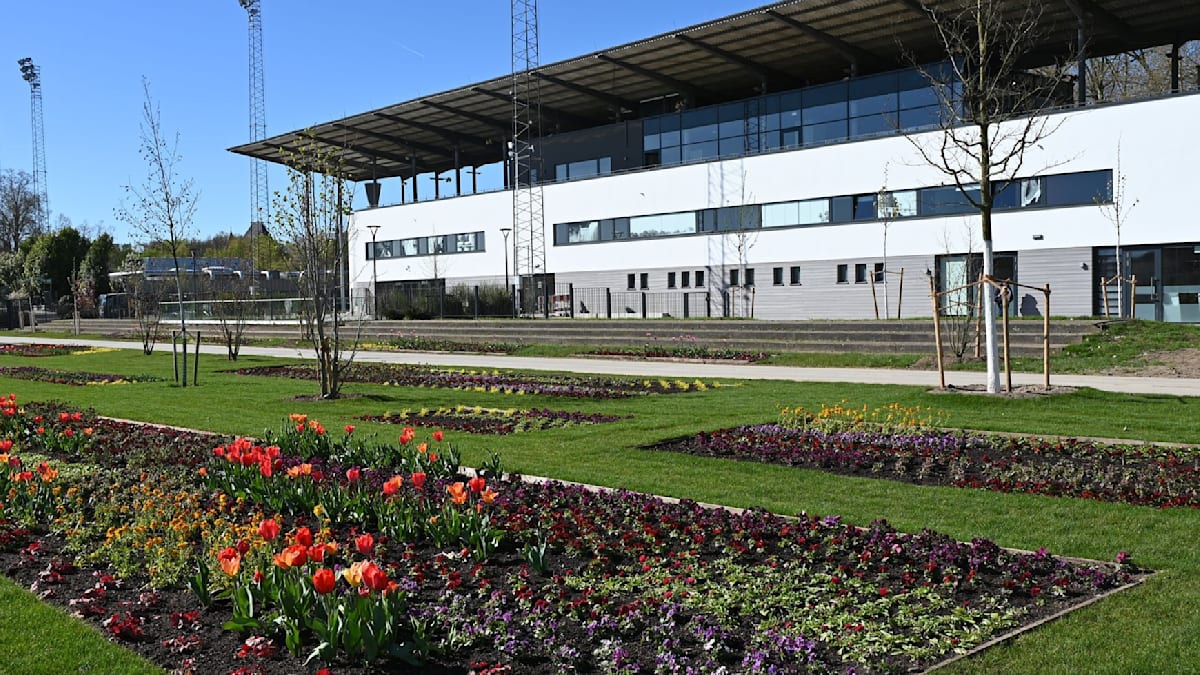
From Racetrack to Oasis: Embracing the "Stadtpark statt Rennbahn" Vision for Urban Revival
The phrase "stadtpark statt rennbahn" – city park instead of racetrack – encapsulates a powerful and increasingly vital paradigm shift in modern urban planning. It's more than a literal land conversion; it represents a fundamental re-evaluation of how we utilize precious urban space, prioritizing ecological resilience, community well-being, and climate adaptation over single-purpose developments. As cities grapple with unprecedented environmental challenges, the transformation of vast, often underutilized areas like racetracks into vibrant, multi-functional city parks offers a compelling blueprint for creating more livable, sustainable, and future-proof urban environments.
The Shifting Sands of Urban Space: From Rennbahn to Stadtpark
Historically, racetracks occupied significant footprints within or on the fringes of urban areas. While serving as hubs for sport and entertainment, their large, often paved or highly managed green spaces frequently offered limited ecological diversity or public access outside of event days. The concept of "stadtpark statt rennbahn" proposes a bold alternative: reimagining these expansive sites as essential green infrastructure, capable of mitigating climate change impacts and enriching city life.
Consider the dynamic shift observed in cultural event planning, such as the example from Ballon.NRW. While the Krefeld Rennbahn traditionally hosts the Ballonfestival in odd years, the planned Ballonfestival Moers in even years will take place in the Stadtpark Moers. This seemingly small detail illustrates a broader trend: a move towards utilizing existing green public spaces – city parks – for community events, recognizing their inherent capacity to draw people together in an accessible, pleasant environment. This trend underscores the growing recognition that the sheer scale of a former racetrack, when repurposed, presents an unparalleled opportunity to create large-scale urban oases. These new parks can serve not just as recreational areas but as vital ecological corridors and crucial components of a city's climate strategy.
Climate-Resilient Cities: Why Green Spaces are Paramount
The urgency for adopting a "stadtpark statt rennbahn" approach is underscored by the escalating impacts of climate change on urban centers. Cities like Frankfurt, as highlighted in recent reports, have faced a barrage of extreme weather events in recent years: severe heatwaves, prolonged droughts, and intense, localized heavy rainfall. These phenomena expose the vulnerabilities of traditionally built urban environments, where vast expanses of concrete and asphalt exacerbate the urban heat island effect, impede natural water infiltration, and offer little in the way of climate regulation.
The answer, as forward-thinking municipalities are discovering, lies in green infrastructure. City parks, extensive tree canopies, and permeable green spaces are not merely aesthetic enhancements; they are indispensable tools for climate adaptation. They cool the surrounding environment through evapotranspiration, absorb and filter rainwater, replenish groundwater, and improve air quality. Frankfurt's "Leitfaden zur klimaangepassten Umgestaltung von Stadtplätzen" exemplifies this proactive approach. Developed through inter-agency collaboration, this guide outlines three guiding principles for urban space transformation:
* **Plätze sind gut für die Menschen (Spaces are good for people):** Emphasizing comfort, recreation, and social interaction.
* **Plätze sind gut für das Stadtklima und die Ökologie (Spaces are good for the city climate and ecology):** Focusing on environmental benefits like cooling and biodiversity.
* **Plätze haben einen spürbaren Mehrwert in der dicht bebauten Stadt (Spaces offer tangible added value in dense cities):** Recognizing their multi-functional role beyond singular purposes.
These principles apply perfectly to the transformation implied by "stadtpark statt rennbahn." By converting large, open tracts of land, cities can create significant "lungs" that actively combat the effects of climate change, offering vital relief to their dense urban cores.
Designing for Life: Social, Ecological, and Economical Benefits
The shift from a "rennbahn" to a "stadtpark" isn't just about mitigating climate change; it's about fundamentally enhancing the quality of urban life in a multitude of ways. The benefits are far-reaching, encompassing social, ecological, and even economic dimensions.
From a
social perspective, city parks become democratic spaces, accessible to all residents, regardless of socio-economic status. They serve as crucial community hubs where people can gather, play, exercise, and relax. As the Frankfurt "Leitfaden" identified, a "favorite place" is a "lively place where people want to linger." This means designing for diverse needs: quiet zones for contemplation, active areas for sports, playgrounds for children, and accessible pathways for all mobilities. Such multi-functional design fosters stronger community bonds and supports mental and physical well-being. Imagine a repurposed racetrack offering vast open fields for kite-flying, shaded groves for picnics, and meandering paths for strolling – a stark contrast to its previous, often restricted, utility. To delve deeper into community engagement in such projects, consider exploring
stadtpark statt rennbahn - Article 2.
Ecologically, the transformation is profound. Replacing impermeable surfaces with diverse native plantings, creating rain gardens, and installing bioswales dramatically boosts local biodiversity. These green spaces provide habitats for pollinators and urban wildlife, contributing to healthier ecosystems. Furthermore, they significantly enhance a city's water management capabilities, absorbing stormwater runoff and reducing the burden on aging drainage systems, thereby mitigating flood risks. This approach aligns perfectly with the ecological measures highlighted in the Frankfurt context: increasing biodiversity and water storage capacity.
Economically, well-designed and maintained urban parks can be invaluable assets. They can increase property values in surrounding areas, attract tourism, and foster local businesses. By improving a city's overall liveability, they help retain residents and attract new talent. Furthermore, the ecological services they provide – such as natural cooling and flood control – can reduce infrastructure costs and provide long-term savings for municipal budgets. Understanding the financial implications and economic models for such transformations can be further explored in
stadtpark statt rennbahn - Article 3.
Practical Tips for Maximizing Impact:
*
Prioritize Native Species: Use plants adapted to the local climate to reduce water consumption and support local wildlife.
*
Embrace Permeable Surfaces: Minimize concrete and asphalt, opting for porous paving, gravel, or natural ground covers.
*
Integrate Water Features: Ponds, rain gardens, and naturalized streams can provide cooling, habitat, and visual appeal while managing water.
*
Provide Ample Shade: Large canopy trees are essential for cooling and comfort.
*
Design for Multi-Generational Use: Ensure amenities cater to children, adults, and seniors.
The Future of Urban Greening: Practical Steps and Vision
Implementing the "stadtpark statt rennbahn" vision requires strategic planning and collaborative effort. As the Frankfurt model demonstrates, inter-agency cooperation (urban planning, environmental, public works, sanitation) is crucial for success. This integrated approach ensures that climate adaptation is "consistently thought through and implemented from the outset" in any new development or redesign.
For cities considering such transformations, key steps include:
1.
Comprehensive Assessment: Evaluate former racetrack sites for their environmental conditions, existing infrastructure, and potential for greening.
2.
Community Engagement: Actively involve residents in the planning process. Understand their needs, desires, and vision for the new public space. This ensures the park truly serves the people.
3.
Interdisciplinary Planning: Bring together experts from landscape architecture, urban planning, hydrology, ecology, and social sciences.
4.
Phased Implementation: Large-scale transformations can be phased, allowing for interim uses and testing of concepts.
5.
Long-Term Maintenance Plan: A sustainable park requires a robust maintenance strategy, including water management, planting care, and infrastructure upkeep.
The ultimate vision is to create a network of green spaces that collectively enhance the urban microclimate, foster biodiversity, and provide invaluable social amenities. By consciously choosing "stadtpark statt rennbahn," cities are not just replacing one land use with another; they are making a profound commitment to a healthier, more resilient, and more equitable urban future.
Conclusion
The concept of "stadtpark statt rennbahn" stands as a powerful symbol of urban transformation in the face of modern challenges. It is a strategic imperative for cities grappling with climate change, demanding a shift from single-purpose land use to multi-functional, ecologically rich green infrastructure. By repurposing vast urban tracts, we create vital climate buffers, enhance biodiversity, and provide accessible, engaging spaces that enrich the lives of citizens. This paradigm shift, exemplified by proactive urban planning in cities like Frankfurt, underscores that the future of urban living hinges on our ability to integrate nature seamlessly into our built environment, turning former arenas of speed into sanctuaries of sustainability and community well-being.